
12 October 2026 · 4 min read
How to Choose the Right Estate Agent for a Prime Surrey Property
By Monica King | Founding Partner & Managing Director, In Residence
What to consider when appointing an estate agent to sell a higher value home in Surrey, from experience and marketing to pricing evidence, sales progression and the questions to ask before signing.
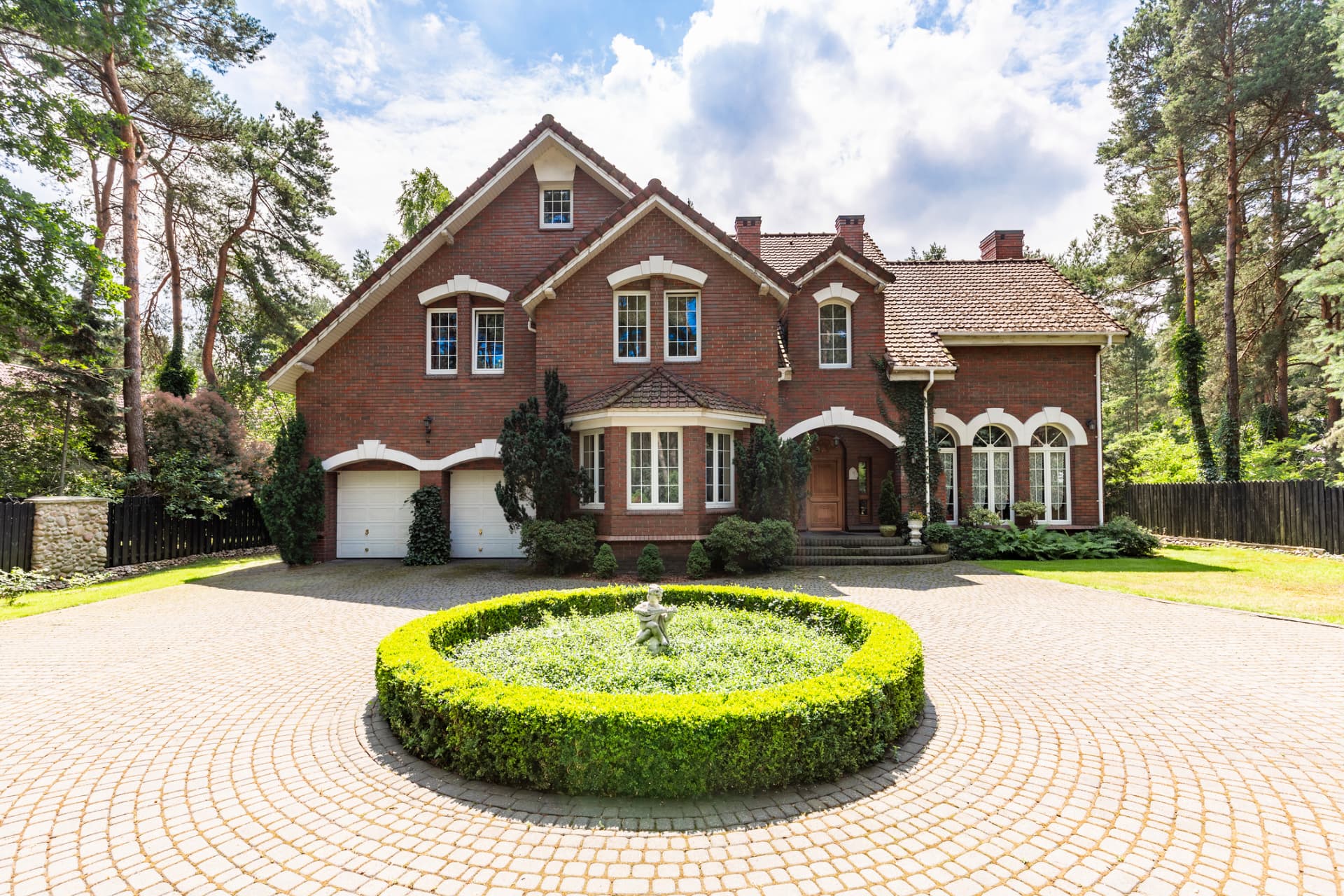
For most homeowners, selling a house is one of the largest financial decisions they will make. When the property is distinctive or of higher value, the choice of estate agent becomes more significant still. The pool of likely buyers is smaller, each buyer tends to be more discerning, and the way a home is priced, presented and negotiated can make a considerable difference to the outcome.
Choosing well is less about finding a familiar name and more about finding the right fit for your home and your circumstances. These are the questions worth exploring.
1. Relevant experience matters more than brand size alone
A recognisable brand can offer reassurance, but it does not in itself tell you how well your home will be represented. What matters more is the experience of the individuals involved with properties similar to yours, in the same locality and at a similar level of the market.
Buyers of prime homes often have particular expectations, from the quality of the information they receive to the way viewings are handled. An agent who understands those expectations, and the local differences between one road or estate and the next, is better placed to present your home convincingly.
2. Who will personally manage your sale?
It is worth establishing at the outset exactly who will be responsible for your sale. The person who carries out the valuation is not always the person who conducts viewings, speaks to buyers, negotiates offers or manages the transaction afterwards.
There is no single right model, but you should know who you will be dealing with at each stage, and how much continuity to expect. A seller who understands this from the beginning is less likely to be surprised later.
3. What is the proposed marketing strategy?
Ask to see how your home will be marketed, not simply where it will appear. A considered proposal should cover photography and, where it suits the property, videography; the written description; floor plans; printed material; and the channels used to reach buyers, both online and offline.
Most importantly, it should be tailored. A house with a remarkable garden, an unusual architectural history or a particularly private setting deserves marketing that brings those qualities forward, rather than a standard format applied to every listing.
4. How was the recommended asking price determined?
A recommended asking price should come with a clear explanation. Ask which comparable sales were used, why they are relevant, how current competition has been taken into account and what the agent expects buyers to make of the price.
A high figure may be flattering, but if it is not supported by evidence it can lead to a long period on the market and a weaker negotiating position. A well reasoned price, clearly explained, is a better foundation for a successful sale.
5. How will buyers be qualified and viewings managed?
Not every enquiry represents a serious buyer. Ask how the agent establishes a buyer’s position, including whether they have a property to sell, how their purchase will be funded and how soon they are able to proceed.
Ask too how viewings will be prepared and conducted, who will be present, how feedback will be gathered and how promptly it will be shared with you. Careful viewing management protects your time and your privacy, and gives buyers a better experience of the home.
6. What happens after an offer is accepted?
Agreeing a sale is an important milestone, but it is not the end of the agent’s work. Between acceptance and completion there are solicitors, surveyors, lenders and often other sales in a chain, any of which can cause delay.
A good agent keeps in regular contact with every party, anticipates potential issues and keeps you informed. Ask how sales progression is handled, who is responsible for it and how often you can expect an update.
7. What questions should you ask before signing an agency agreement?
Before committing, it is sensible to ask:
- Who will personally manage the instruction?
- How frequently will I receive updates, and in what form?
- What exactly is included in the marketing proposal?
- How, and when, will the asking price be reviewed?
- What are the fees, the contract term and the notice provisions?
- How will the transaction be managed through to completion?
Read the agreement carefully, including any minimum term and the conditions under which fees may be payable after the agreement ends. A reputable agent will be happy to explain each point.
A More Personal Approach to Selling
There are many capable estate agents in Surrey, and the right choice depends on your home and your priorities. For some sellers, the reach of a larger organisation will be the deciding factor. Others place more value on direct representation and individual attention.
In Residence was founded for the second group. We deliberately take on a small number of homes, and one of the founders personally manages each sale, from the first appraisal through viewings and negotiation to completion. You can read more about how we sell, or arrange an appraisal if you would like to discuss your home.